Sună -ne
+86-15105800222
+86-15105800333


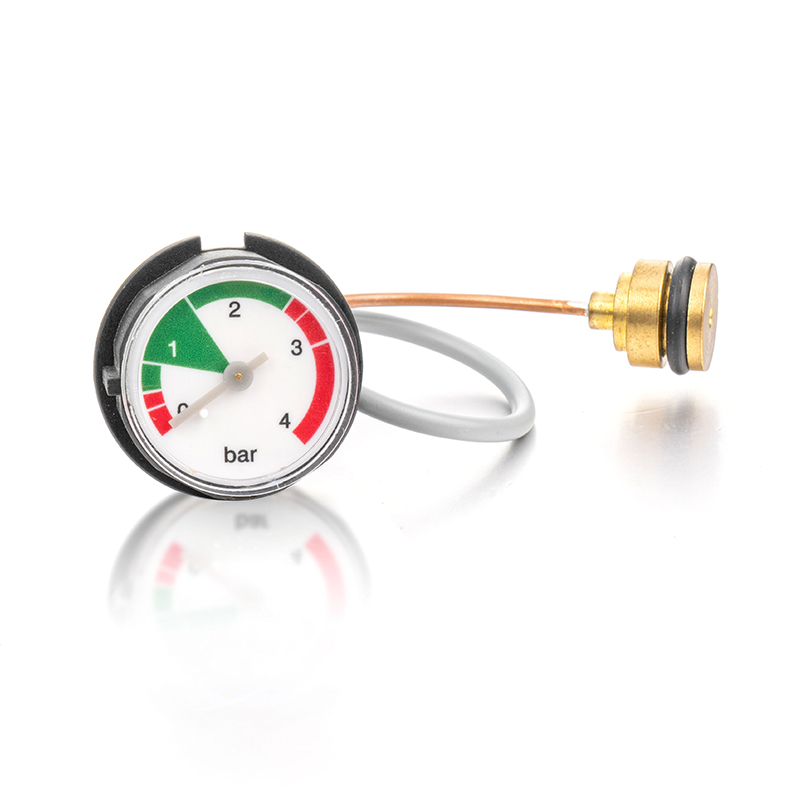
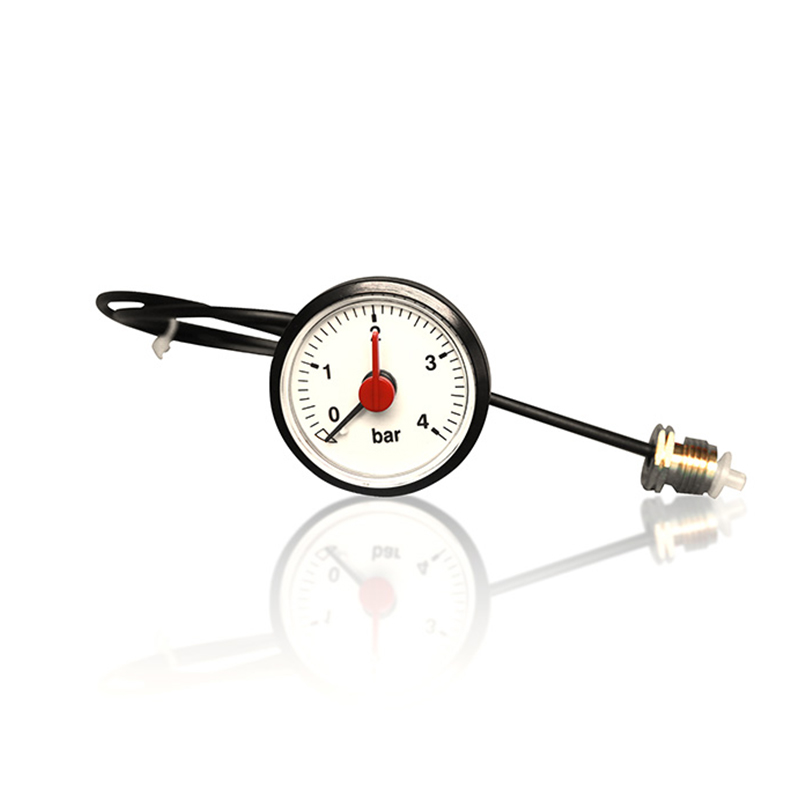
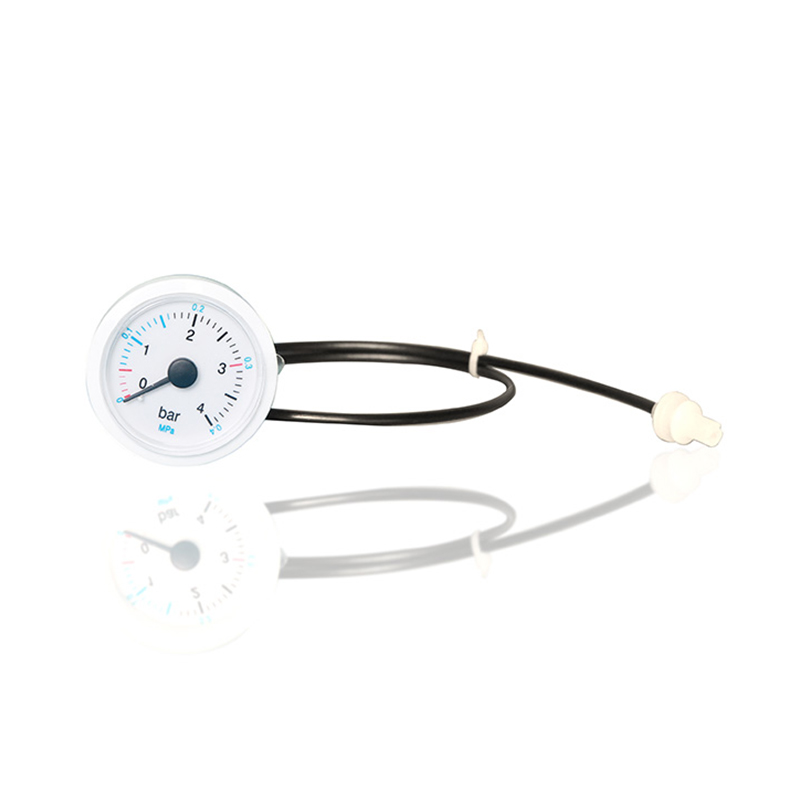
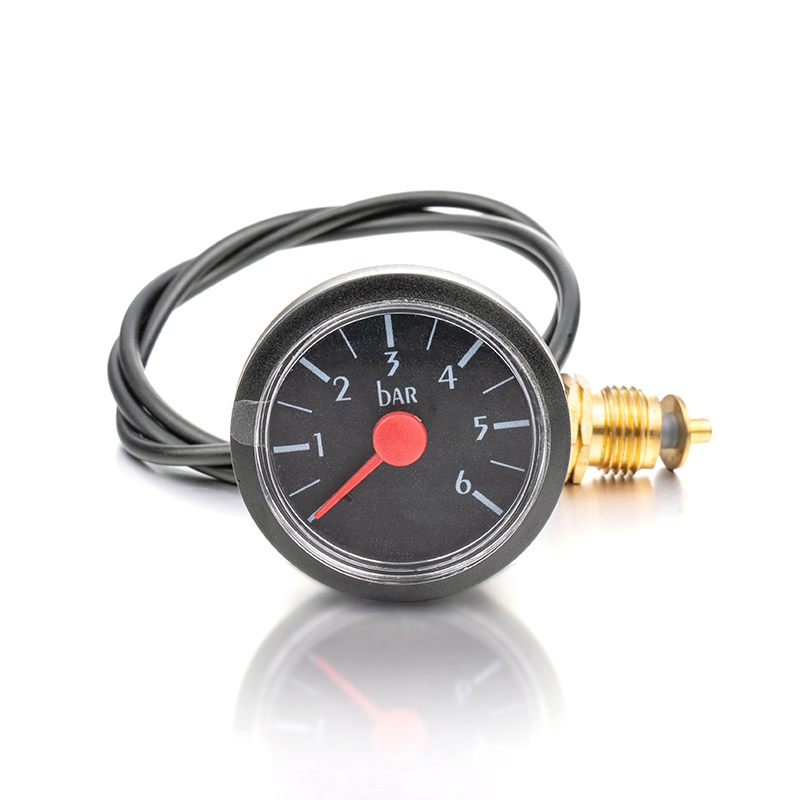
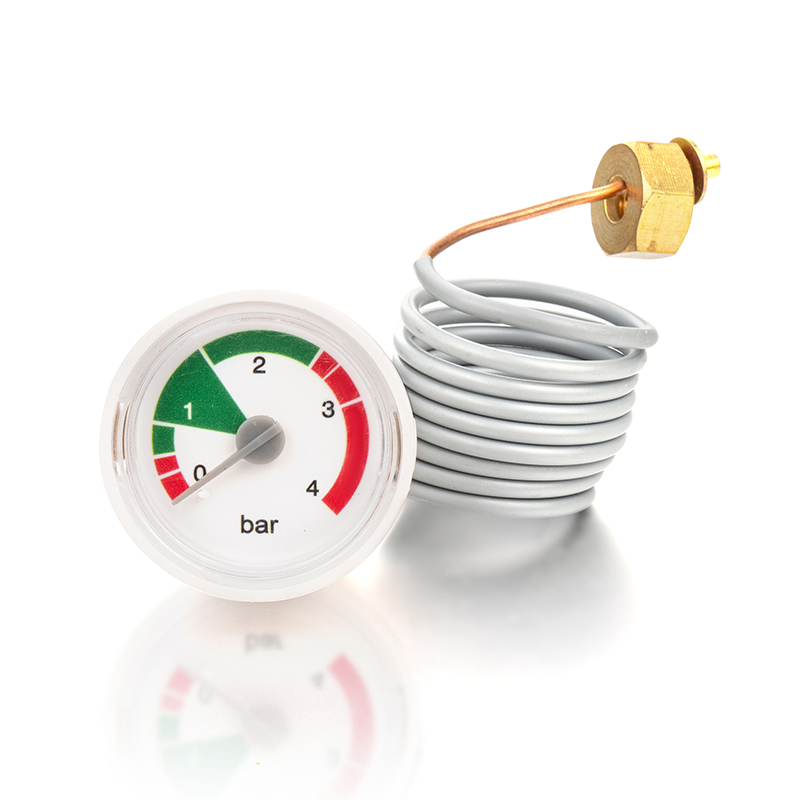
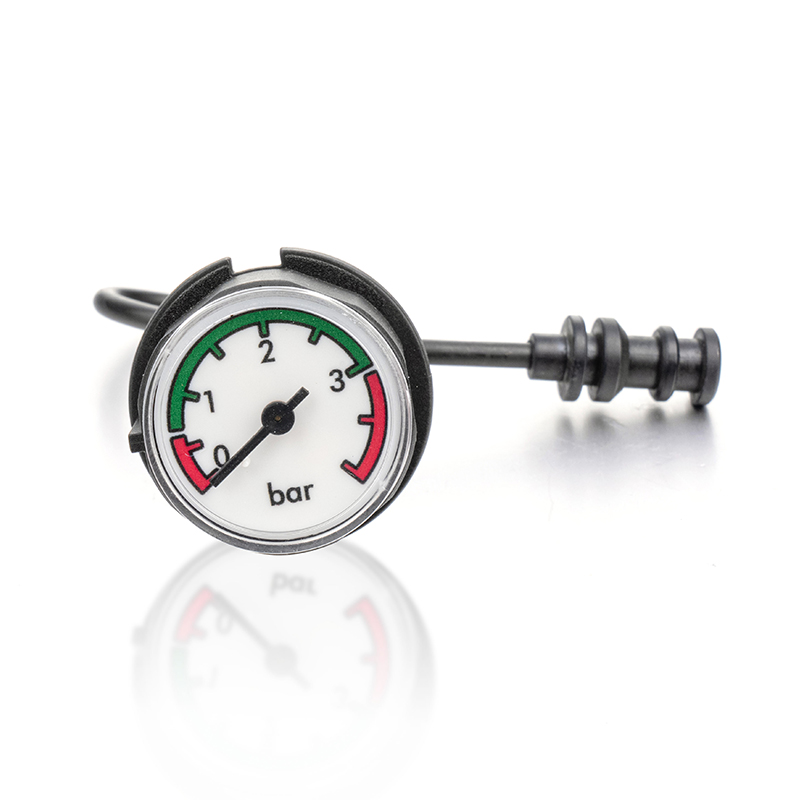
În diferite echipamente mecanice, întreținere a vehiculelor și sisteme de control al fluidelor industriale, monitorizarea precisă a presiunii este veriga centrală pentru a asigura siguranța sistemului, a îmbunătăți eficiența operațională și a prelungi durata de viață a echipamentului. Fie că este o comună manometru pentru presiunea anvelopelor , sau un manometru de ulei în medii industriale complexe, principiul său de funcționare se bazează în esență pe măsurarea precisă a presiune manometrică . Înțelegerea selecției, aplicării și stşiardelor operaționale ale acestor instrumente este crucială pentru menținerea funcționării stabile a echipamentelor.
În aplicații industriale și mecanice, presiune manometrică se referă la valoarea presiunii măsurată pe baza presiunii atmosferice, care este diferența dintre presiunea absolută și presiunea atmosferică ambientală locală. Majoritatea instrumentelor convenționale de măsurare a presiunii (cum ar fi manometru apă and manometru combustibil ) afișează valoarea ca presiune manometrică.
În timpul procesului de măsurare, dacă instrumentul nu este conectat, indicatorul revine de obicei la zero. Când este conectat la un sistem etanș, forța detectată de senzor sau diafragmă este diferența dintre presiunea fluidului și presiunea atmosferică ambientală. Această metodă de măsurare este de mare importanță în întreținerea zilnică a echipamentului, deoarece poate reflecta direct sarcina de presiune internă a sistemului în raport cu mediul înconjurător, care este parametrul de bază pentru a evalua dacă sistemul se află în intervalul de funcționare sigur.
| Tip instrument | Mediu de monitorizare primar | Interval tipic de presiune | Focalizarea aplicației |
| manometru pentru presiunea anvelopelor | Aer comprimat | 0 - 60 psi / 0 - 100 psi | Balanța de uzură a suprafeței de contact a anvelopelor |
| manometru apă | Apă/Abur | 0 - 150 psi | Stabilitatea sistemului de alimentare cu apă |
| manometru combustibil | Combustibil/ulei de lubrifiere | 0 - 80 psi | Eficiența pompei de combustibil |
| manometru de ulei | Ulei hidraulic / ulei lubrifiant | 0 - 100 psi | Stare de lubrifiere prin frecare mecanică |
În calitate de producător profesionist, înțelegem că precizia este coloana vertebrală a fiabilității operaționale. Indiferent dacă gestionați rețele industriale de fluide sau asigurați siguranța auto, integrarea instrumentelor de presiune de înaltă calitate nu este negociabilă.
Alegerea dispozitivului potrivit previne timpii de nefuncționare costisitoare. Din monitorizare a manometru combustibil pentru a asigura sănătatea arderii motorului, pentru a utiliza a manometru apă pentru integritatea conductelor municipale, fiecare instrument joacă un rol specific în infrastructura dumneavoastră.
| Tip ecartament | Beneficiul critic | Frecvența de întreținere |
| manometru digital pentru presiunea anvelopelor | Eficiență îmbunătățită a consumului de combustibil și longevitate a benzii de rulare | La fiecare 2 săptămâni |
| manometru de ulei | Previne defecțiunile catastrofale prin frecare mecanică | La fiecare schimb de ulei |
O concepție greșită comună este aceea presiune manometrică citirile sunt statice. Factorii de mediu, vibrațiile și expansiunea termică afectează în mod direct precizia dvs manometru pentru presiunea anvelopelor sau debitmetre industriale. Efectuând în mod regulat calibrări de referință - comparând citirile cu un standard certificat cunoscut - eliminați deviația obișnuită în senzorii de îmbătrânire, extinzând în mod eficient durata de viață a mijloacelor dumneavoastră critice de măsurare.
În calitate de producător, oferim aceste informații nu numai pentru a vă optimiza configurația actuală, ci și pentru a construi încredere de durată prin transparență și suport tehnic. Înțelegerea corectă a echipamentului sub presiune de astăzi previne reparațiile costisitoare de mâine.

+86-15105800222
+86-15105800333


Zona industrială Shuangtang, orașul Liuheng, districtul Putuo, orașul Zhoushan, provincia Zhejiang, China
Vă vom răspunde în termen de 12 ore după primirea anchetei în zilele lucrătoare. Sau, sună -ne.
The information provided on this website is intended for use only in countries and jurisdictions outside of the People's Republic of China.
Copyright © Zhoushan Jiaerling Meter Co., Ltd. All Rights Reserved.

